Whiteinch Engine Shed
The shed already had the hardest thing to build: a 20-metre clear span with light from above. We kept it and put rooms inside it.
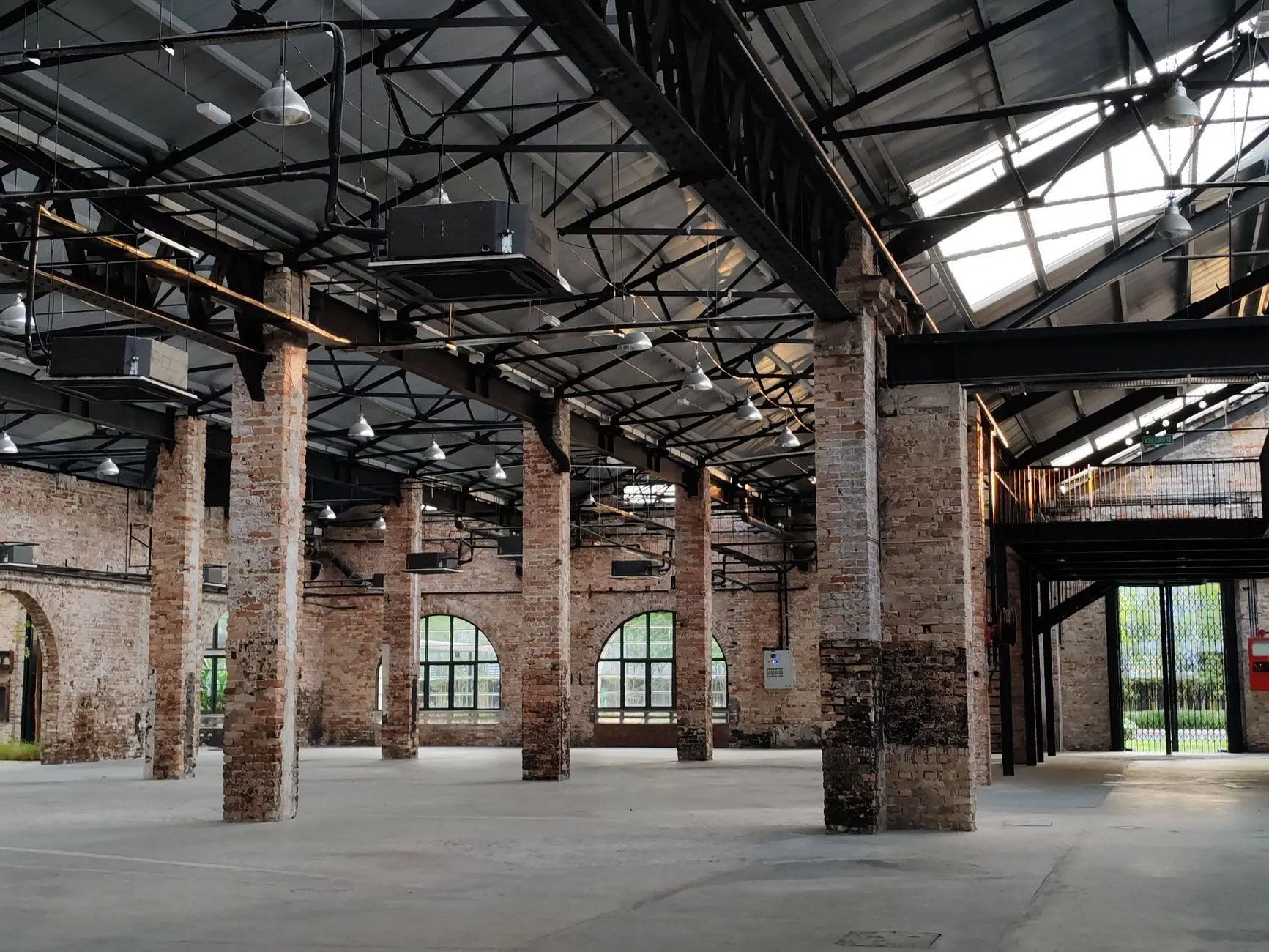
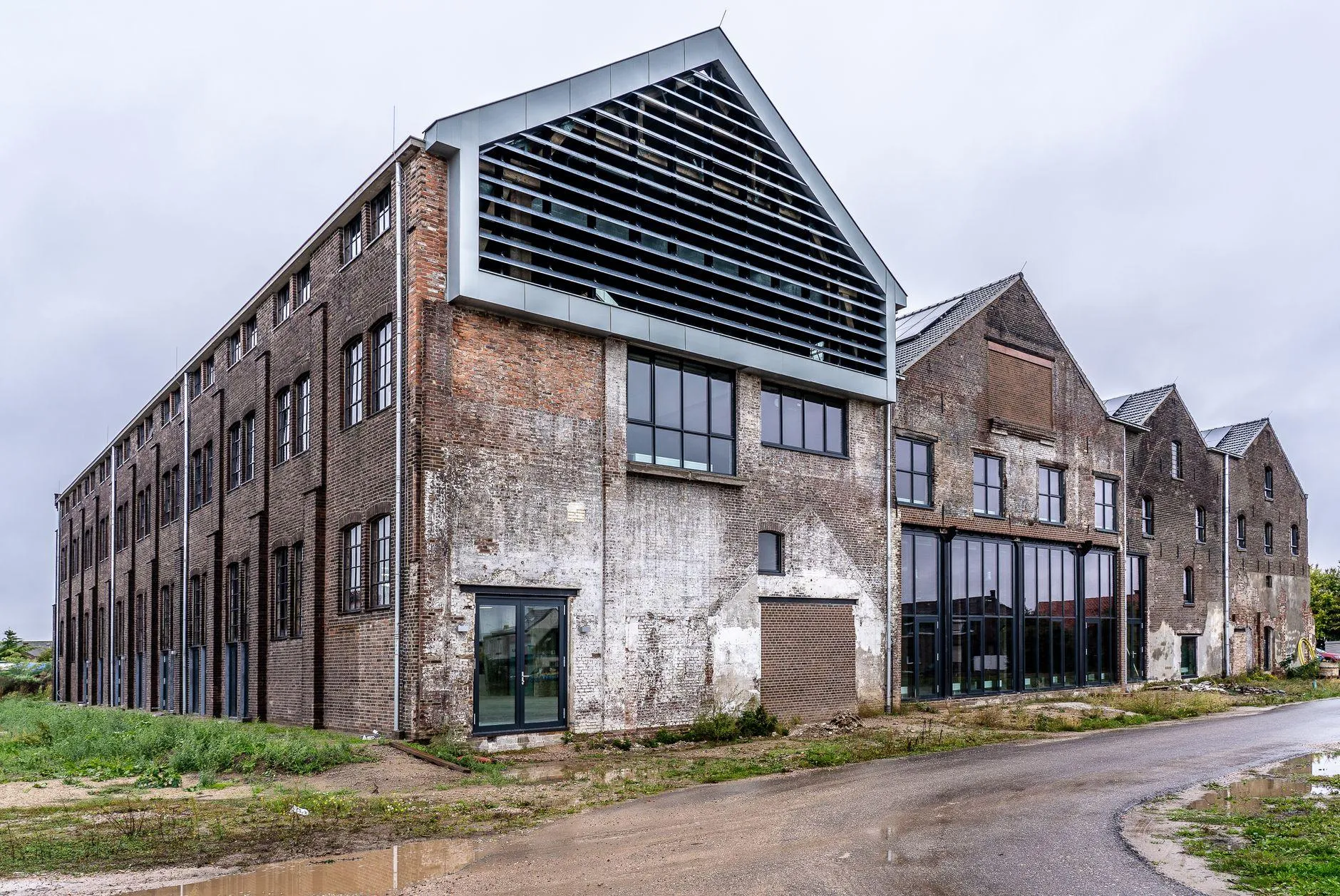
A railway engine shed turned into forty makers' workshops and a covered market hall.
Built in 1894 to service tank engines, the shed had been a bus depot, a carpet warehouse and, for eleven years, nothing. The roof leaked in four places and the brick piers had been painted three times.
The shed already had the hardest thing to build in any new market hall: a 20m clear span with daylight from above. So we kept the span and put rooms inside it. Forty workshops sit in two storeys of timber boxes along the long walls, and the middle of the shed stays open as a covered market on Saturdays.
The brick was cleaned with a low-pressure steam system rather than blasted, which took six weeks longer and kept the fireskin on every brick. The only new element on the outside is the louvred gable at the north end, in grey metal, so nobody mistakes it for part of the original. It lets the hall breathe in summer without a single fan.
The workshops were let before completion, at rents the CIC set itself. That was the brief, and it drove every cost decision.

Start with a site visit
£450 for a measured visit and a written feasibility note inside three weeks, credited against the fee if you go ahead.